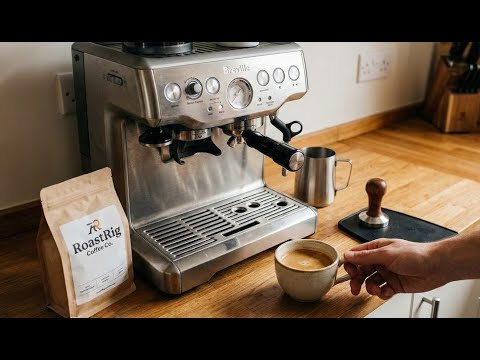
The Breville Barista Express is the poster child of home espresso. It’s everywhere—Amazon best-seller lists, wedding registries, YouTube setups, and Instagram kitchens.
It promises café-quality espresso at home without turning your kitchen into a science lab. But at around $700, the real hesitation usually isn’t “Can this make good coffee?”
The real question is: Is this actually easy to live with? And will it last, or will you be replacing it in three years?
Here is the honest verdict: The Barista Express is the undisputed king of value for beginners and casual enthusiasts. It is reliable, capable, and forgiving—but it has clear limits you should understand before you buy.
Who This Machine Is (and Isn’t) For — Read This First
Before we dive into specs, let’s save you some time.
Buy the Breville Barista Express If:
- You want to learn real espresso. You are willing to weigh beans and tamp grounds, not just press a pod button.
- You drink milk-based drinks. If your daily order is a latte, cappuccino, or flat white, this machine is perfect.
- You want an all-in-one setup. You want a machine that looks beautiful, saves counter space, and doesn’t require buying a separate grinder.
- You value resale flexibility. This machine holds its value incredibly well if you decide to upgrade later.
Skip It If:
- You want push-button convenience. If you want coffee in 30 seconds with zero cleanup, look at a Jura or Nespresso.
- You only drink light-roast straight espresso. Ultra-light roasts require extremely fine, precise grind adjustments. The Barista Express’s built-in grinder often lacks the “micro-adjustments” needed to dial these in perfectly.
- You are a perfectionist. If you know you will obsess over grind distribution and extraction percentages from day one, you will outgrow this machine in six months.
What Is the Barista Express? (The “All-in-One” Explained)

It is important to set expectations: This is a semi-automatic espresso machine.
It is not a robot. You grind, you tamp, you brew, and you steam the milk manually. This “hands-on” workflow is exactly why beginners learn faster on this machine than any other—it forces you to understand the process.
Key Features in Plain English
- Built-in Conical Burr Grinder: The main selling point. It saves you ~$200 and keeps your counter tidy.
- PID Temperature Control: A digital thermostat that keeps water temperature consistent. Without this, your shots would taste sour one day and bitter the next.
- The Pressure Gauge: Think of this as your speedometer. It gives you visual feedback on your extraction.
- Manual Steam Wand: This creates real, silky microfoam for latte art—not the stiff, bubbly foam you get from cheap automatic frothers.
The Good: Why It’s So Popular
1. Exceptional Value for the Price
In the world of espresso, $700 is arguably “entry-level.” If you tried to buy a capable espresso machine ($400+) and a decent burr grinder ($200+) separately, you would likely spend more than the cost of the Barista Express—and you’d lose the convenience of a single, integrated footprint.
2. The Pressure Gauge Teaches You
For a beginner, the hardest part of espresso is “dialing in” the grind. The gauge removes the guesswork:
- Needle too low? The water flowed too fast. Grind finer.
- Needle too high? The machine is choking. Grind coarser.
This simple visual feedback shortens the learning curve dramatically.
3. Genuinely Ready Out of the Box
Many prosumer machines don’t even include a tamper. Breville includes everything:
- A solid, heavy metal tamper (not plastic).
- A stainless steel milk jug.
- Cleaning tools and tablets.
- Both single and double-shot baskets.
You don’t need to go shopping for accessories the day it arrives.
The Bad: Real Tradeoffs You Should Know
1. The Built-In Grinder (The Main Limitation)
The grinder is convenient, but it uses stepped adjustments.
- The Issue: Sometimes, setting “5” runs too fast, but setting “4” chokes the machine. The perfect grind size is hidden somewhere in between.
- The Reality: For 95% of home baristas making lattes, this is fine. But if you are chasing the perfect shot, it can be frustrating.
2. Workflow Reality Check
This isn’t a Keurig. The machine heats up in about 3 minutes, but the heavy metal portafilter stays cold.
The Tip: You must run a “blank shot” (hot water only) through the handle before you grind your coffee. If you skip this, the cold metal will suck the heat out of your water, leading to sour espresso. It adds 30 seconds to your morning routine, but it’s non-negotiable.
3. Longevity
This is an appliance, not a commercial tank. Expect 5–7 years with regular maintenance. The solenoid valve and thermocoil can eventually wear out. It is not a “buy it for life” machine like a vintage lever machine, but it is certainly not disposable e-waste either.
Comparisons: Is There a Better Alternative?
Barista Express vs. Gaggia Classic Pro
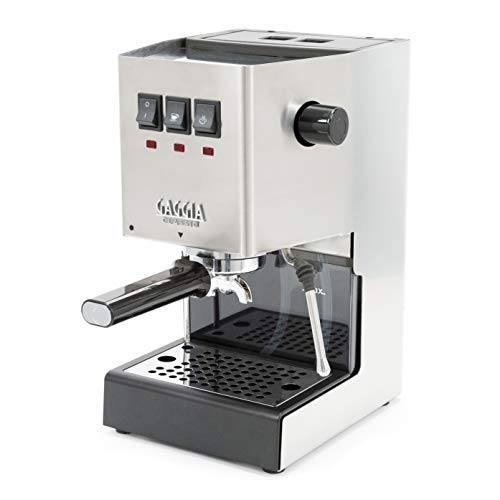
- Solid Steel Housing, Made in Italy
- 9 Bar Espresso Extractions
- Stainless Steel 58mm Commercial Portafilter
- Commercial Three Way Solenoid Valve
- Commercial Steam Wand
- Gaggia Pros: Industrial build quality; easier to repair; likely to last longer (10+ years).
- Gaggia Cons: No grinder included; harder to use out of the box (no PID).
- Verdict: The Gaggia is for hobbyists who like to tinker. The Barista Express is better for most normal people.
Barista Express vs. Breville Barista Pro
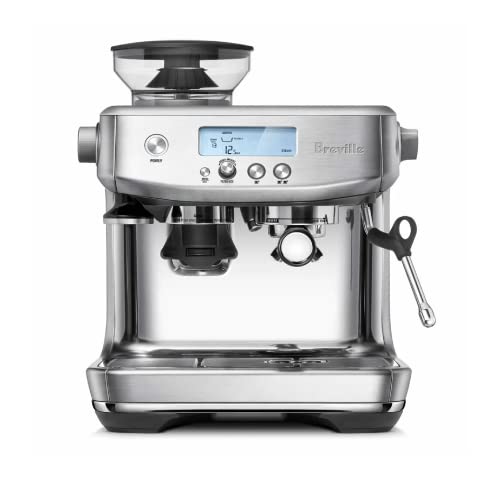
- The Breville Barista Pro delivers third wave specialty coffee at home using the 4 keys formula and is part of the Barista Series that offers all in one espresso machines with integrated grinder to go from beans to espresso in under one minute
- DOSE CONTROL GRINDING: With a single touch, the integrated precision conical burr grinder with dose control delivers the right amount of coffee on demand, for maximum flavor
- OPTIMAL WATER PRESSURE: Low pressure pre-infusion gradually increases pressure at the start and helps ensure all the flavors are drawn out evenly during the extraction for a balanced tasting cup
- Receive 2 free bags of specialty coffee when you purchase and register any Breville coffee machine; T and Cs apply
- FASTER HEAT UP TIME: Innovative ThermoJet heating system achieves the optimum extraction temperature in 3 seconds with the instantaneous transition from espresso to steam
- Pro Advantages: Heats up instantly (3 seconds); digital display; slightly faster grinder.
- Pro Cons: Often costs $100–$200 more; espresso quality is virtually identical.
- Verdict: The Express offers better value. We also prefer the analog pressure gauge on the Express over the digital screen on the Pro for learning.
Final Verdict & Rating
Rating: ⭐⭐⭐⭐½ (4.5 / 5)
Why not 5 stars? The stepped grinder limits precision for advanced users, and the steam wand is slower than commercial machines.
Why 4.5 stars? Because at this price point, nothing else combines this level of espresso quality, convenience, and build quality.
The Breville Barista Express remains the perfect gateway into real coffee. You may eventually outgrow it—but you are unlikely to regret starting with it.
One final tip: Throw away the “Razor” dosing tool they give you—it’s a gimmick. Buy a cheap $15 digital scale instead. Weighing your beans will improve your coffee more than any other accessory.